
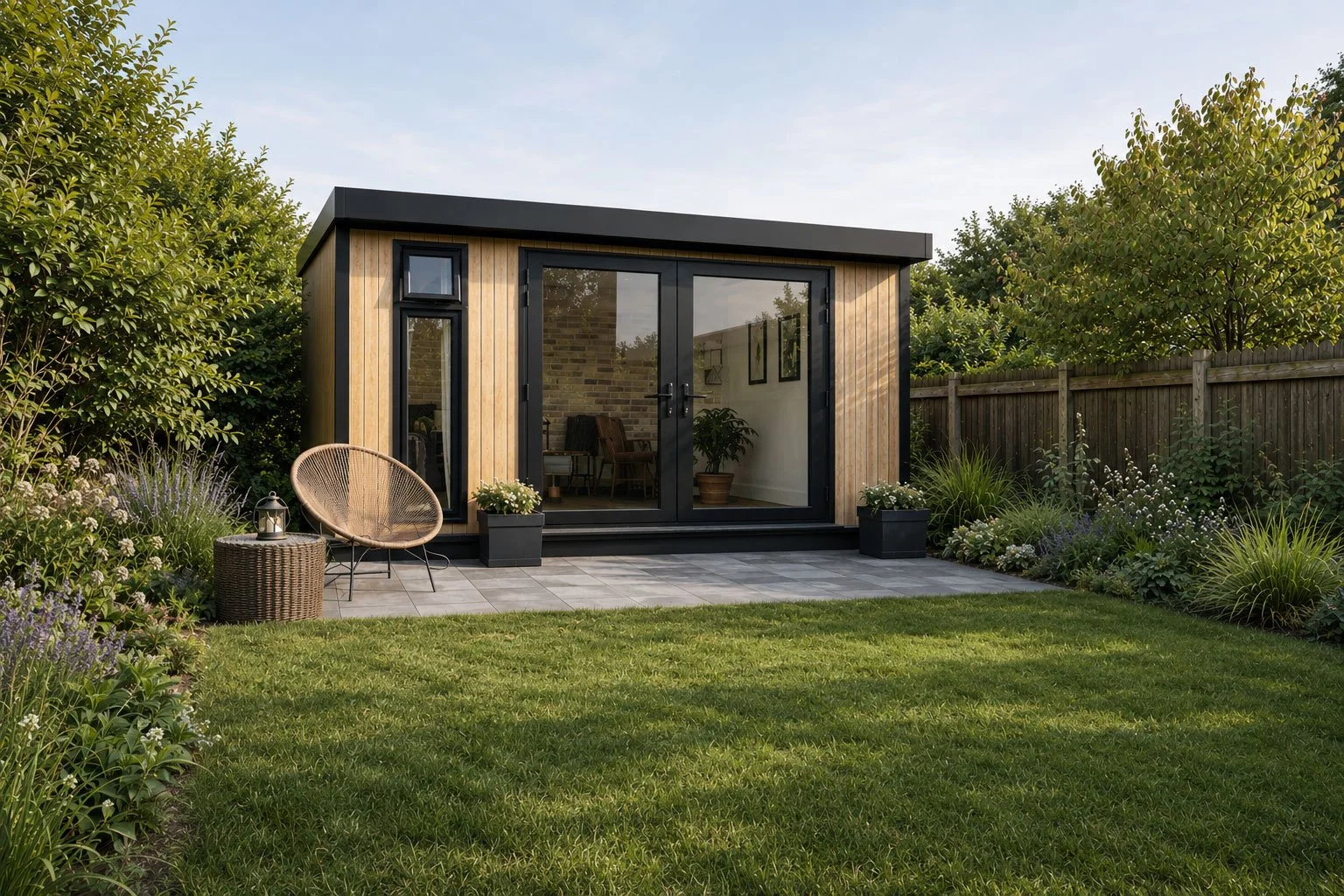

FOUNDATION OPTIONS
The solid start to your garden room
A garden room is only as good as the foundation it sits on.
Getting the foundations right ensures your garden room is level, stable, and built to perform for years to come.
We offer both ground screws and concrete foundations and will always recommend the most suitable option for your garden, ground conditions and access. Whichever route you choose, we’ll make sure the foundation is properly prepared so your garden room performs exactly as it should from day one.
Groundscrew foundations
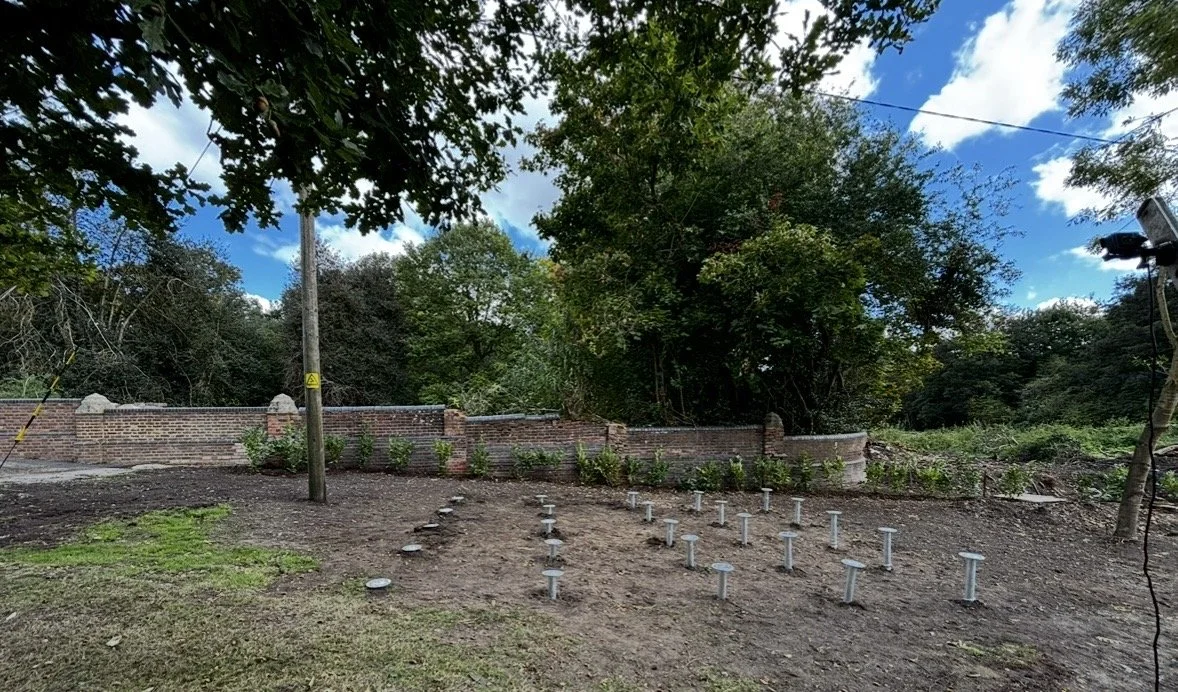
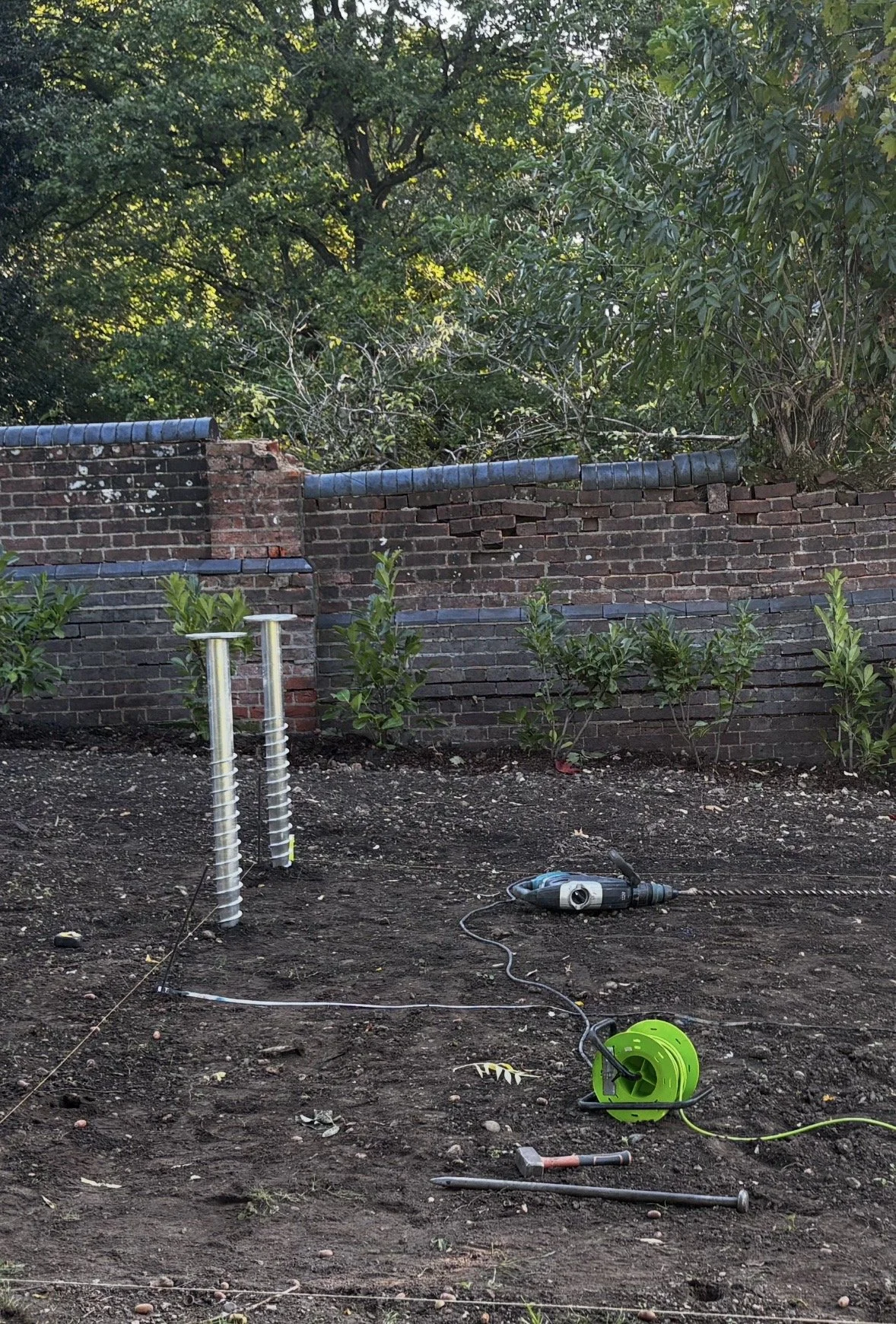
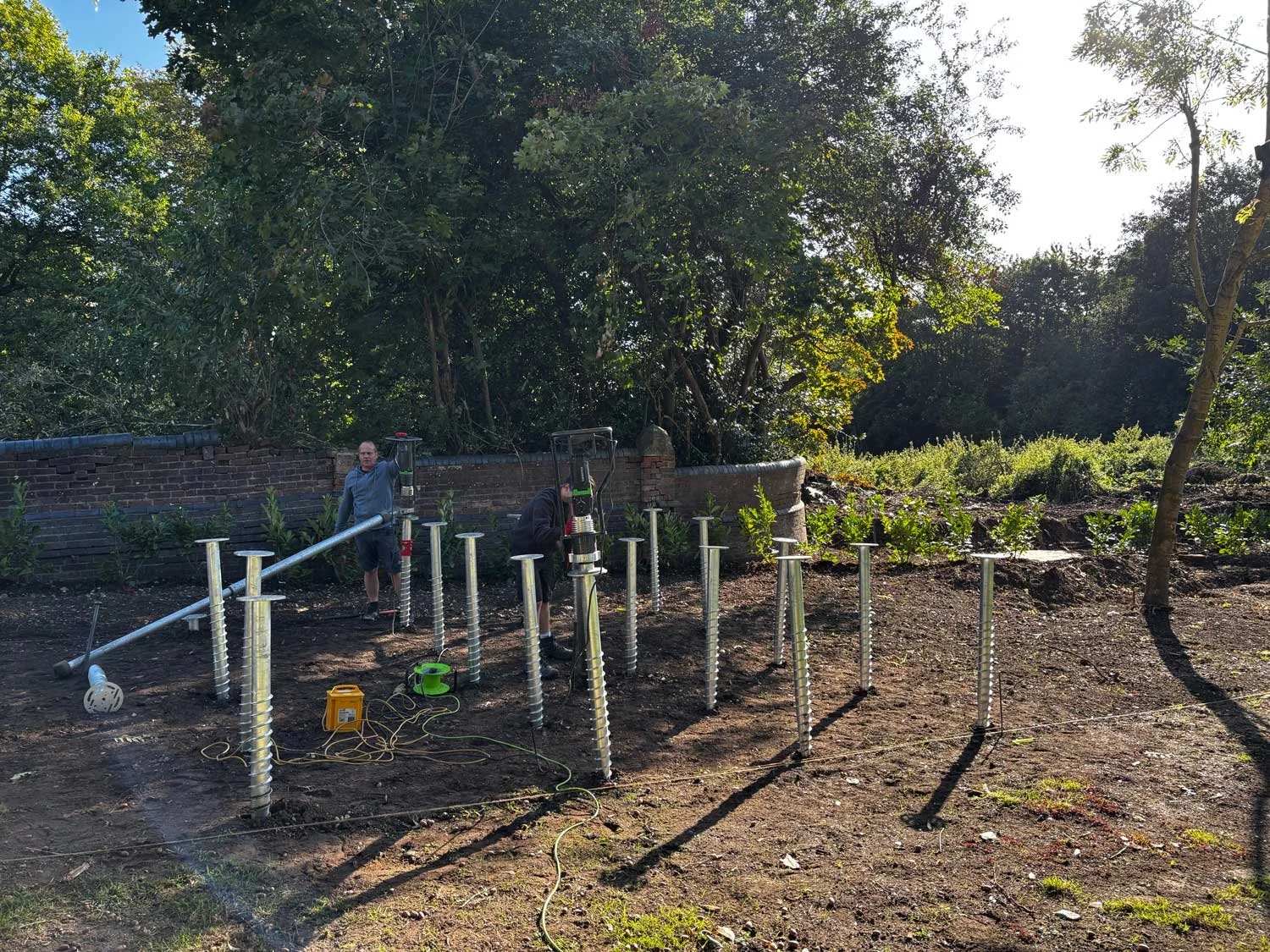
A modern, efficient alternative to traditional concrete, ground screws provide a strong, level base with minimal disruption.
Steel screws are driven into the ground to precise depths, creating a stable support system without the need for excavation or wet trades.
In most cases, we favour ground screws as they allow for quicker installation, immediate build, and less impact on your garden and the surrounding environment. They can also be removed or reused if needed, offering added flexibility over time.
We’ve used ground screws on our own garden room, so we’ve seen first-hand how straightforward and effective the process is. Read more
Why Groundscrews are a popular choice
-
Ground screws can typically be installed in a single day, and for smaller garden rooms, often in as little as half a day, keeping the groundwork phase quick and efficient.
-
Unlike concrete, there’s no curing time required, meaning we can begin constructing your garden room straight away.
-
With no excavation or heavy groundwork, the surrounding area is left largely undisturbed, helping to preserve your garden during installation.
-
Groundscrews can be adjusted to create a level base across uneven terrain, within practical limits, reducing the need for extensive groundworks in most cases.
-
Using groundscrews avoids the use of concrete and reduces ground disturbance, making it a more environmentally considerate option.
-
Ground screws can be unscrewed and reused in the future, offering flexibility if your layout changes or the building is relocated.

Concrete foundations
A traditional and widely used method, concrete provides a solid, familiar base for your garden room.
Why concrete may be the right choice
Suitable for a wide range of ground conditions
Often preferred for larger or more complex installations
A well-established and widely used method
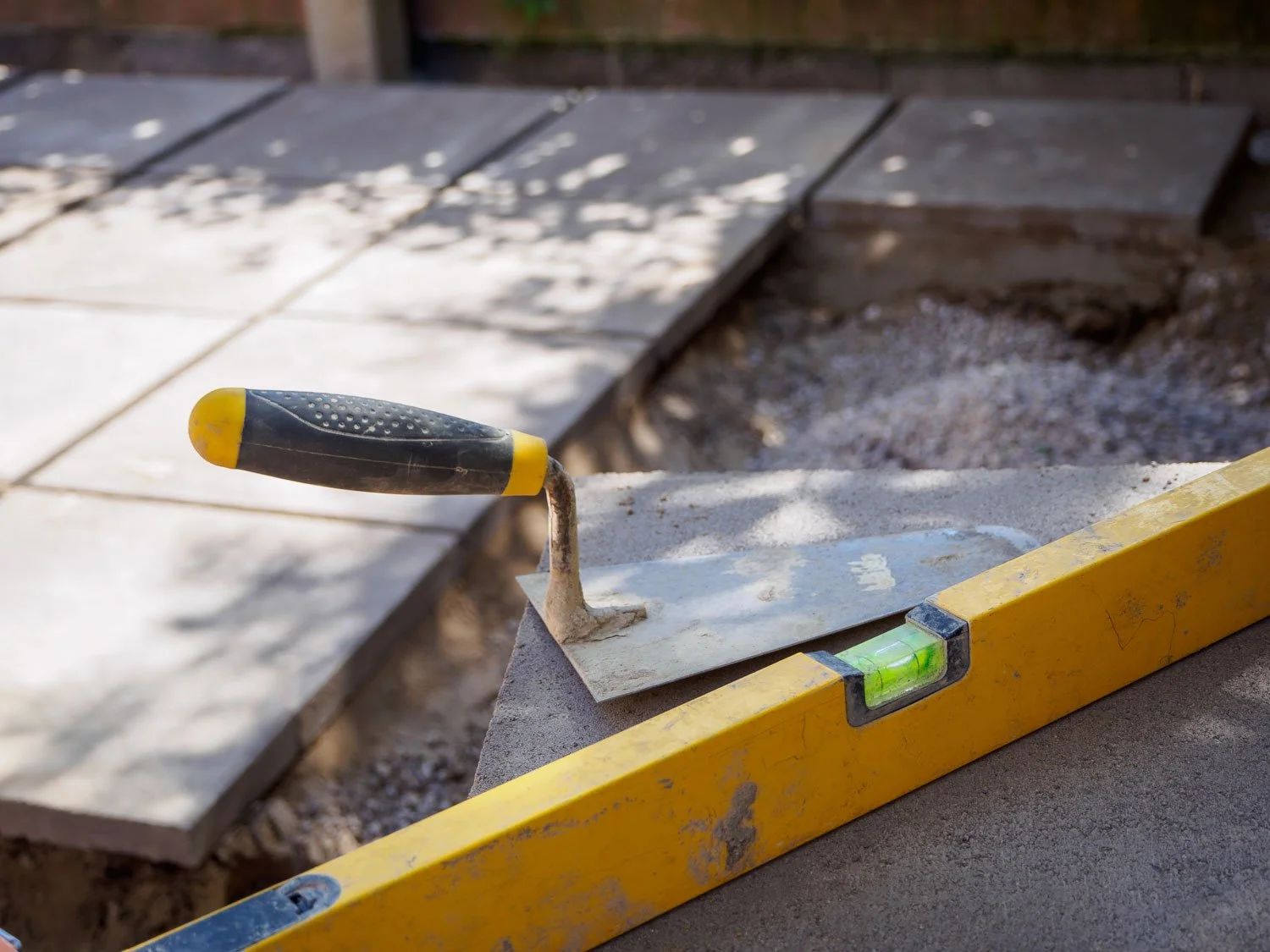
Concrete foundations typically require more preparation, including excavation and groundworks. Once installed, they need time to cure properly, meaning installation of your garden room usually begins at least a week later.
Using existing foundations
If you already have foundations in place, we can assess whether it’s suitable for your garden room.
It will need to meet certain requirements in terms of size, level and overall condition to ensure it can properly support the garden room.
Where an existing foundation is used, this remains the homeowner’s responsibility. We’ll always provide guidance, but we’re unable to take responsibility for the performance of pre-existing structures.
A considered approach from the start
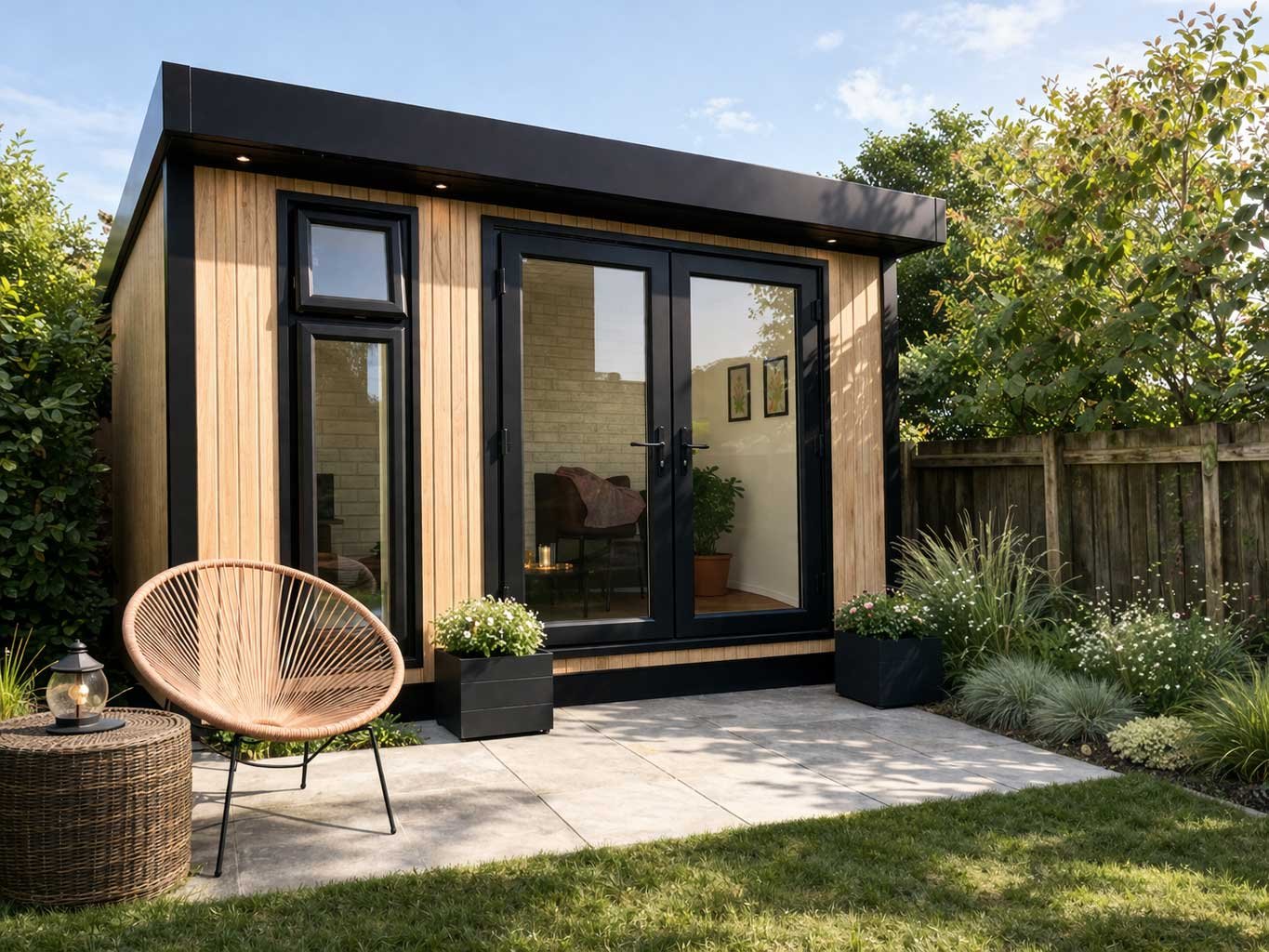
Whichever foundation you choose, the priority is the same — making sure your garden room is properly supported from day one.
We'll assess your space, recommend the right solution, and make sure everything is in place for a smooth installation.
Not sure which foundation is right for you?
We're happy to help — just get in touch.